Why Don't I Get Along With My Coworkers?
By TestMyTraits team··6 min read
Most people who ask "why don't I get along with my coworkers?" aren't asking about one bad coworker. They're noticing a pattern. The same kind of meeting drains them. The same kind of feedback lands badly. The same kind of colleague seems to misread them, whoever that colleague is this year. If a problem follows you from team to team, some of it is probably about how you work, not just who you work with.
That doesn't make it your fault. Differences in working style cost both sides something. But you can only change your half, so it helps to know which half is yours. Below are the four places workplace friction most often comes from, based on the four scales this site measures. For each one: what it feels like from the inside, what it costs you, and how it looks to the person across the table.
Energy: the meeting that leaves you empty
If a day of back-to-back calls leaves you useless by four o'clock, even though nothing went wrong, you probably lean introverted. Talking isn't the problem. Talking nonstop with no break is. At work that costs you in a specific way. You think better after a meeting than during it, so your best point often arrives in a message an hour later, after whoever spoke first has already made the decision. Colleagues may read your quiet as boredom or disagreement when it's neither.
The other side has its own cost. If you think by talking, a team that prefers written updates can feel cold and slow. And working an idea out loud can sound like you've already decided, or like you're not leaving room for anyone else. If people are often surprised that you were "just thinking out loud," that's the gap. Neither style is a flaw. The fix is the same for both: say which mode you're in. "Let me come back to you in writing" and "I'm thinking out loud, don't hold me to this" both stop a misunderstanding before it starts.
Details: "you skipped steps" vs. "you're stuck in the weeds"
A lot of irritation at work comes from two people describing the same project at different levels of detail. If you lean toward the concrete, you trust what's been done and checked. A proposal that starts with a big vision and no numbers sounds like wishful thinking. If you lean toward the big picture, you start from patterns and possibilities. A colleague who wants every step spelled out can seem like they're refusing to see the point.
The giveaway is the complaint you keep making. If it's "nobody thinks about how this will actually work," you're probably the concrete one. If it's "nobody sees where this is going," you're probably the big-picture one. The concrete person gets cast as the blocker when they're really the only one checking. The big-picture person is right about the direction and wrong about the timeline, again and again, and loses credibility for it. Meeting the other person at their level (the plan for one, the reason for the other) usually does more than winning the argument about which level matters.
Decisions: blunt, or careful about how it lands
This is where work friction gets personal fastest. If you lean toward thinking, you'd rather hear a problem straight, and you give feedback the same way. Some colleagues find that harsh, even when you meant it as respect. If you lean toward feeling, you think about how a decision affects people, and you soften feedback so it can be heard. A blunter colleague may find that vague, or think you didn't really say anything.
Each side pays for it. If you lean thinking, people stop bringing you problems early, because your reaction costs them something. So you find out late. If you lean feeling, you absorb friction to keep things smooth, say yes when you mean no, and then resent the extra work in silence. If that second one sounds familiar, the lamp quiz below is built around exactly that habit of holding it in to keep the peace.
Structure: the plan vs. the open door
If a last-minute change of plan annoys you more than the change itself deserves, you probably lean toward judging. You like a decision made so the work can start. If a plan fixed three weeks ago feels like it ignores everything you've learned since, you probably lean toward perceiving. You'd rather keep options open until the last sensible moment.
Put these two on one project and each thinks the other is the problem. The planner can get rigid right when the facts change. The keep-it-open person leaves everyone who depends on them waiting, and "it'll come together" doesn't reassure people whose own work is stuck. The fix isn't converting anyone. It's agreeing up front which decisions are locked and which are still open, so nobody has to guess.
When it's not about personality at all
Style differences explain a lot of friction at work, but not all of it. If the problem is one specific person who belittles you, takes credit for your work or treats you differently from everyone else, that's behaviour, not a working style. No four-letter explanation should talk you out of seeing it. And a workload nobody could manage, or a manager who changes priorities every week, will make everyone's work relationships worse, whatever their type.
A quick way to tell them apart: style friction tends to go both ways and follow a pattern you can name, like "we always clash about deadlines." Mistreatment tends to go one way and feel personal. The first is worth understanding and adjusting to. The second is worth writing down and raising with someone who can do something about it.
Start by finding your own lean
You can't change a pattern you haven't named. A quick way in: notice which of the four sections above made you a little defensive. That's often the one that's yours. For something more structured, the one-question quizzes below each look at one habit, like where you'd sit in a room or what you do with something you want to say. The full test measures all four scales and shows how strongly you lean on each. That matters here: if you're near the middle on a scale, friction on that one is probably about the situation, not a fixed part of you.
Common questions
Why do I get along with everyone except at work?
At work you don't get to choose who you spend time with, for how long, or on what terms. Outside work you've probably set up your social life around your own pace and style without noticing. At work, meetings, feedback and deadlines are set for you. Friction that only shows up at work is often about those conditions, not the people.
Can a personality test tell me which coworker is the problem?
No, and be wary of anything that says it can. Type describes habits, not character. Using a colleague's letters to explain away their behaviour, or yours, skips the conversation that would actually fix things. A test is most useful turned on yourself: it names your side of a recurring clash so you can adjust it.
Is it bad to be introverted at work?
No. It just changes where things cost you. You may contribute more after meetings than during them, and your quiet can be mistaken for disagreement. Saying which mode you're in, and following up in writing, covers most of that. Extraverted colleagues have the opposite problem: they can seem like they've already decided.
How do I know if it's a style clash or mistreatment?
Style clashes usually go both ways, are predictable, and are about how the work gets done. Mistreatment usually goes one way, feels personal, and is about you rather than the work. If one person keeps belittling you, leaving you out or taking your credit, that's behaviour to write down and report, not a type difference to put up with.
Tests that fit this
Picked for this topic. The quick ones take a few seconds; the full test measures all four scales.
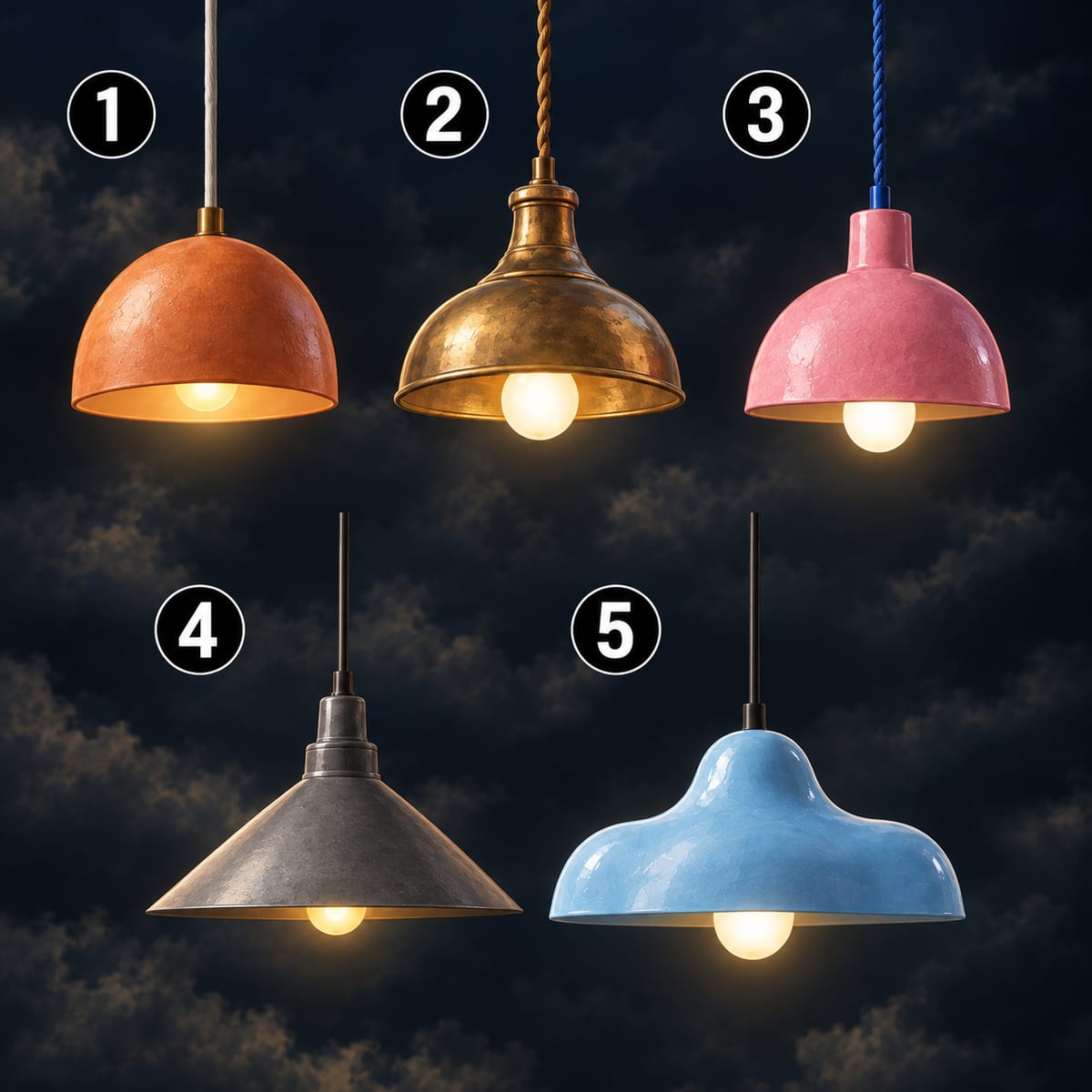
Which lamp is yours?
Looks at what you do with something you want to say: hold it in, say it, or replay it later.
1 question · 5 choices →

Where would you sit?
Where you'd sit in a room says a lot about how much contact you want, and when.
1 question · 8 choices →
Free personality test
Measures all four scales above, and shows which ones you're close to the middle on.
Start →
48 questions · about 7 minutesIn-depth personality test
More detail, useful if one scale keeps coming up at work and you want a closer look.
Start →