Personality test: pick a lamp to switch on
By TestMyTraits team··1 min read
Five lamps in the dark — which number would you most want to switch on?
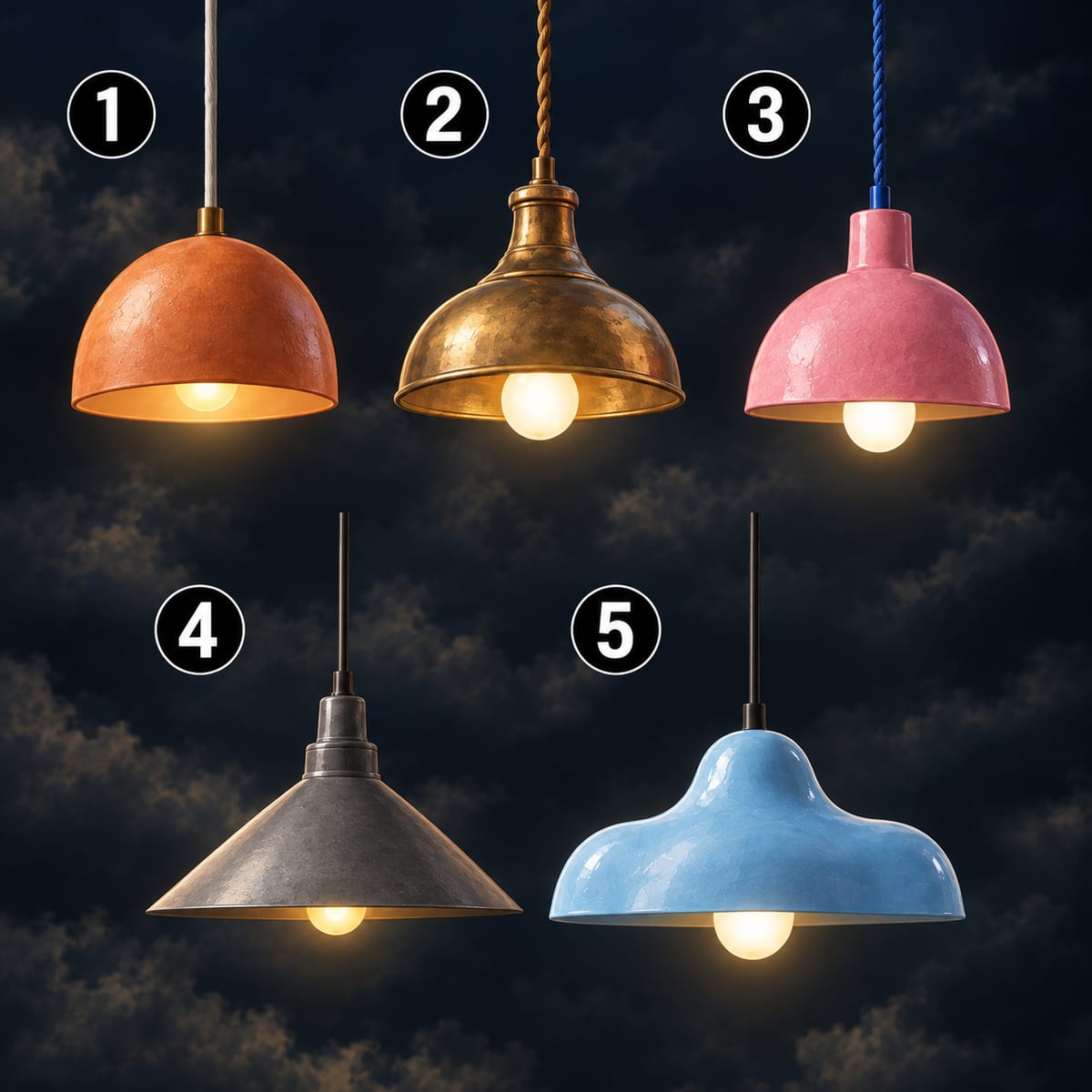
Pick one to see the reading.
Show all 5 readings — spoils the quiz
1.No. 1 — Keeping the peace, one swallowed sentence at a time
Most things don't make you angry, and awkward moments get laughed off — "just this once" and "don't spoil the mood" do a lot of work for you. When someone is rude, you act fine in the moment and replay it at home. Saying no feels like it'll upset people, so you'd rather take on a bit more yourself. People see someone easygoing and even-tempered. The cost: each thing you let slide adds up, and at some point you can shut the door on someone all at once, with no warning they ever saw. Stating a boundary early is kinder than closing it late.
2.No. 2 — Honest about what you like — and what you don't
Your likes and dislikes are clear, and saying things you don't mean wears you out faster than most. With people you like, you're openly warm; smiling along with someone you don't is hard to keep up. "Why should I act like I like them?" is a real question for you. The cost: once someone disappoints you, reopening is slow, and one small flaw can keep catching your eye. Sometimes you go cold first so you can't be hurt. Giving people more than one or two impressions before deciding would spare you a lot of the tiredness relationships cost you.
3.No. 3 — Social on the outside, recharging alone
You get along with people fine, but you need quiet time to yourself. After back-to-back plans — even good ones — you want to come home and do nothing. Time without interruptions is where you sort your thoughts and refill. The catch is that even resting, a voice says "I should be doing something" or "why am I still only here?" What you fell short on comes to mind before what you did, and your bar for yourself sits higher than anyone else's bar for you. The cost is that nothing you finish ever gets counted.
4.No. 4 — Every change in tone gets a reason
If someone's tone or face is even slightly different from usual, you go looking for why. A short reply means "are they angry?"; a conversation that ends awkwardly means "what did I say?" Offhand comments get replayed later for a hidden meaning, and when the mood drops you feel it's yours to fix. It comes from wanting relationships to go well. The cost: tracking everyone else's feelings this closely pushes your own to the back, and you end up taking responsibility for moods you never confirmed existed. Not every change is about you.
5.No. 5 — Watching from a step back
Time alone suits you, and you'd rather be close to a few people who get you than known by many. You stay out of other people's business, watch from a distance, and notice fairly quickly when what someone says and what they do don't line up. You don't take words at face value — "why would they say that?" comes first. Trust is slow to give and long to last. The cost: trying to decode the motive behind everything is tiring, and plenty of it doesn't matter to you anyway. Some things can simply be let go uninterpreted.
How seriously to take this
Not very — and that's the honest answer. A single question can point at a lean, but it can't measure one: there's nothing to average, so there's no way to separate a real tendency from a coin flip. It's a conversation starter that happens to be built on the same four scales as the full test, rather than on nothing at all.